Cybersecurity has become a priority for businesses of all sizes. For a small or medium-sized enterprise (SME) in Costa Rica, phishing attacks represent one of the most frequent and damaging threats. This type of cyberattack uses deception to steal confidential information, such as banking credentials or customer data, which can result in significant financial losses and damage to the company's reputation. Understanding this risk is the first step in building an effective defense.
What is Phishing and Why Does It Affect Costa Rican SMEs?
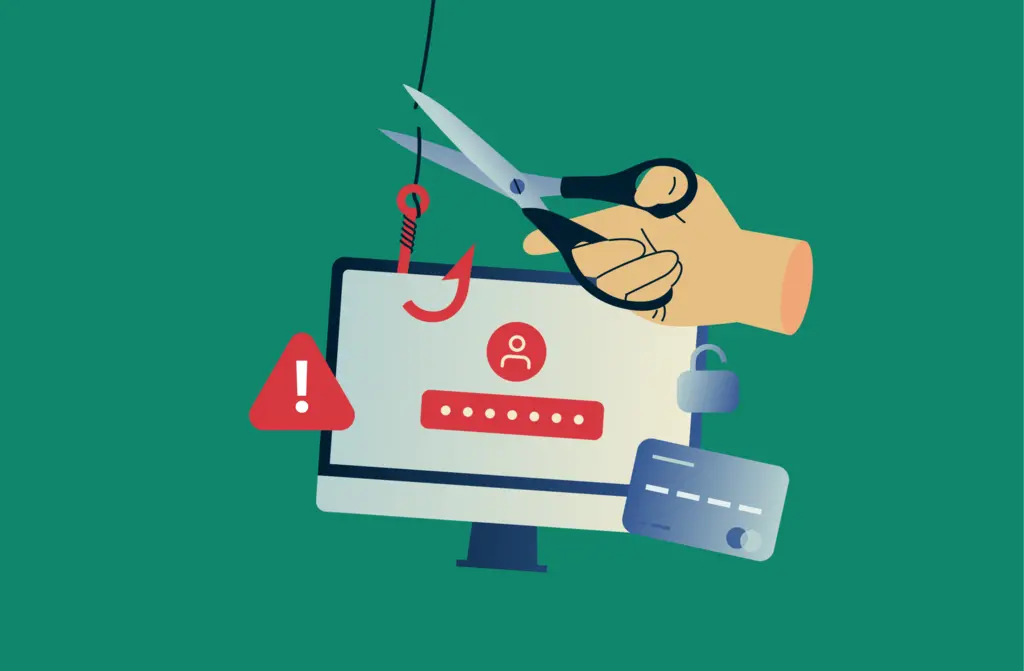
Phishing is a fraudulent technique where criminals impersonate a legitimate entity—such as a bank, utility company, or even a coworker—through emails, text messages, or phone calls. Their goal is to trick the employee into revealing sensitive information or clicking on a malicious link. A small or medium-sized enterprise (SME) in Costa Rica is often an attractive target because, unlike large corporations, it may lack dedicated IT departments and robust security awareness programs.
Warning Signs: How to Identify a Phishing Attack
Recognizing common attacker tactics is crucial for protection. Here are some key indicators:
- Urgency or Threat: The messages create a sense of panic, such as a warning that an account will be suspended if no action is taken immediately.
- Suspicious Sender: The email address appears similar, but not identical, to that of a real company (e.g., [email protected]).
- Grammatical Errors: Presence of spelling mistakes and unprofessional writing.
- Request for Confidential Information: No reputable financial institution will ask for passwords or full credit card numbers by mail.
- Unexpected Links or Attachments: The user is prompted to download a file or click on a link to “verify” or “update” their information.
Consequences of Phishing for a Costa Rican Company
The impact of a successful attack goes beyond data theft. For a small or medium-sized enterprise (SME) in Costa Rica, the repercussions can be devastating:
- Direct Financial Losses: Unauthorized bank transfers to scammers' accounts.
- Violation of Privacy: Exposure of customers' personal data, which could contravene the Law on the Protection of Individuals with regard to the Processing of their Personal Data.
- Operational Interruption: An attack can disable systems, halting production and sales.
- Reputational Damage: The loss of trust from customers and suppliers can be irreversible.
Practical Protection Strategies for Your SME
Strengthening cybersecurity does not necessarily require a monumental investment, but rather the implementation of consistent measures and continuous education.
Ongoing Employee Training
The strongest—or weakest—link in security is the human factor. It is vital to conduct regular training sessions that simulate controlled phishing attacks to teach employees how to identify and report suspicious emails.
Implementation of Basic Technical Solutions
- Antispam and Antiphishing Email Filters: Use business email services that include these protections.
- Multi-Factor Authentication (MFA): Enable MFA on all critical systems, especially for online banking access. This adds a layer of security even if passwords are stolen.
- Software Updates: Keep operating systems and applications up to date to patch known vulnerabilities.
Development of an Incident Response Protocol
Every company should have a clear plan outlining the steps to take if a security breach is suspected. This includes who to contact immediately, how to isolate affected systems, and how to communicate with customers if their data has been compromised.
The Role of Professional Support in Cybersecurity
For many SMEs, managing security internally can be a challenge. Having expert support can make all the difference. Companies like Business Support Solutions offer consulting services that help Costa Rican businesses assess their vulnerabilities, implement the right tools, and establish security policies, creating a proactive defensive shield against phishing and other cyber threats.
Conclusion: Conscience as the Best Defense
Protecting a small or medium-sized enterprise (SME) in Costa Rica against phishing is an ongoing process that combines technology, procedures, and, above all, education. By fostering a culture of healthy skepticism and preparedness for these digital threats, Costa Rican business owners can safeguard their most valuable assets and ensure the continuity and good reputation of their business in today's digital landscape.